Join My Twentyonefitness to get 10% off and exlusive benefit.

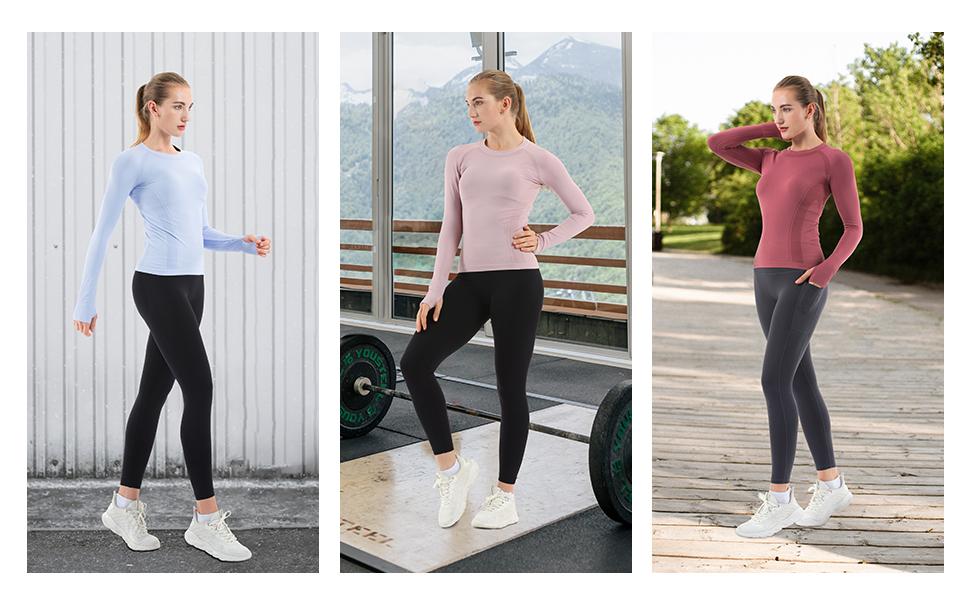
Should yoga clothes be tight or loose?
The practice of yoga has become increasingly popular, with more and more individuals seeking its physical, mental, and spiritual benefits. As yoga continues to gain traction, the market for yoga clothing has expanded, prompting many practitioners to question whether their yoga attire should be tight or loose. In this article, we’ll delve into this topic, highlighting the advantages of both tight and loose yoga clothing to help you make an informed decision for your yoga practice.
The Benefits of Tight Yoga Clothes
Tight yoga attire, including form-fitting leggings and tops, has become a staple for many yoga enthusiasts, and for good reason. The snug fit of these garments offers multiple advantages that contribute to a fulfilling yoga experience.
First and foremost, tight yoga clothes provide unrestricted movement, allowing practitioners to execute various poses with ease and flexibility. The contoured fit ensures that the clothing moves with the body, enabling deeper stretches and poses without hindrance.
Furthermore, the compression provided by tight yoga clothes offers support to muscles, aiding in improved blood circulation and muscle recovery. This can be particularly beneficial during intense yoga sessions, minimizing the risk of strains and injuries.
In addition, the streamlined look achieved with tight yoga clothes can boost self-confidence and body awareness during practice, elevating the overall yoga experience.
The Advantages of Loose Yoga Clothes
Conversely, loose yoga clothing, such as relaxed-fit pants and flowy tops, offers its own unique benefits tailored to a different set of practitioners.
One of the primary advantages of loose yoga clothing is the freedom of movement it provides. The relaxed fit allows for ample airflow and unrestricted mobility, making it ideal for yoga styles emphasizing dynamic movements.
Additionally, loose yoga clothes offer comfort and a sense of ease, particularly valuable during restorative or meditative yoga practices. The relaxed fit prevents overheating and allows practitioners to focus on their practice without distractions.
Moreover, the casual and comfortable aesthetic of loose yoga clothing resonates with individuals who value self-expression through their attire, aligning with the principles of mindfulness and inner peace.
Finding a Balance: Personal Preference and Practical Considerations
Ultimately, the choice between tight and loose yoga clothing depends on personal preference and practical considerations, with many practitioners finding that a combination of both serves their needs throughout their practice.
For example, wearing tight leggings during a vigorous class can provide the support and mobility required for dynamic movements, while opting for a loose-fitting top during a restorative practice can promote relaxation and comfort.
Incorporating Variety in Your Yoga Wardrobe
Maintaining a versatile yoga wardrobe that includes a mix of tight and loose clothing offers flexibility and adaptability across diverse yoga practices. The ability to switch between tight and loose garments allows practitioners to tailor their attire to specific yoga styles, moods, and physical conditions, enhancing overall comfort and performance during practice.
In conclusion, the debate of whether yoga attire should be tight or loose revolves around understanding the unique benefits that each style of clothing offers. By recognizing the advantages of both tight and loose yoga attire, practitioners can make informed choices that cater to their individual preferences, body dynamics, and the diverse forms of yoga they engage in. Ultimately, the most important factor is prioritizing comfort, freedom of movement, and self-expression as you navigate the world of yoga clothing.